
Sort the waste description first
A household clearout, building renovation and heavy debris load are different requests. List the main materials and flag anything uncertain, including liquids, batteries, chemicals or other items requiring special handling. Ask the provider to confirm accepted and excluded materials rather than mixing questionable items into the load.
Review the space around the container
Measure the intended position and explain the approach, overhead obstacles, slopes and surface. A container that fits the pad may still be impossible to deliver or exchange. Keep access to the loading door and avoid placing a toilet, parked vehicle or material pile where the collection vehicle needs to work. Check property permission and any public-space requirements separately.
Compare the rental and disposal terms
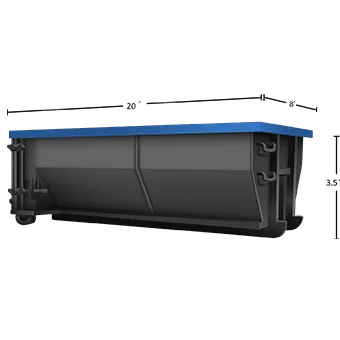
Ask for the proposed container size, allowed materials, load limits, rental period and pickup process. Have transport, disposal allowances, applicable taxes and possible extra charges explained without assuming all quotes include the same scope. Stop before loading unknown materials and request clarification. Arrange collection explicitly when the work is ready.
Questions before you book
Should I choose size using volume alone?
No. Material weight, loading method and access also matter. Give the provider the debris description and site details before choosing.